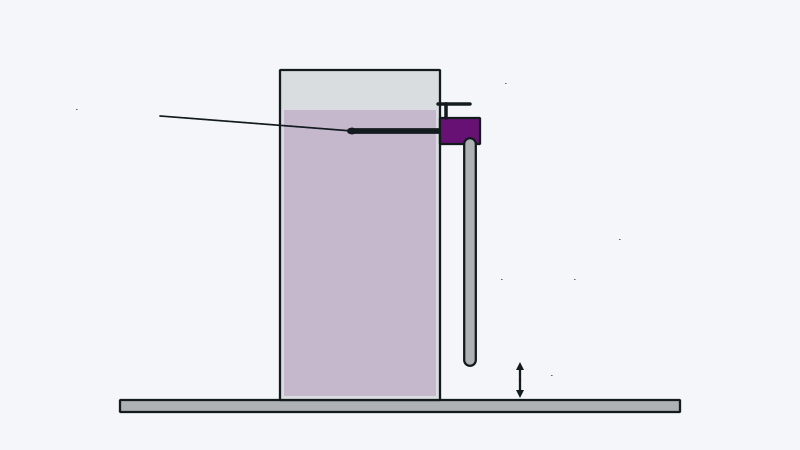
Replace the pressure relief valve when it drips steadily, leaks after you test it, is corroded shut, or the heater is being replaced anyway. The valve is a safety device, so never plug it, cap it or tighten it to stop a drip. A plumber can do it quickly, and it belongs in the plan whenever a water heater repair shows it has been weeping.
What does the pressure relief valve on a water heater do?
Often shortened to the T&P valve, this relief valve for temperature and pressure opens on its own when the tank gets too hot or the pressure climbs too high. Water escapes through a discharge pipe, so the tank cannot build dangerous pressure. If the thermostat or gas control fails, this valve is the final safeguard.
Wikipedia describes the valve as sitting at the top of the heater and releasing water when temperature or pressure rises too far, with most plumbing codes demanding a discharge pipe routed to a drain. That pipe matters. It carries scalding water, so it must finish somewhere safe, not over a walkway or into a wall.
Inside, the valve is spring loaded. A small lever on the side can be lifted to test it, and manufacturers usually advise doing so now and then. Keep the discharge pipe clear and stand nobody beneath it, because the water can be very hot. A valve that does not flow, or does not seat again afterward, needs replacing.
How do I know my water heater relief valve has failed?
Warning signs are a constant drip or trickle from the discharge pipe, water around the valve body, mineral crust on the valve, or a stuck lever. The dangerous failure is a valve that never opens, which looking cannot reveal, so it is routinely replaced on old units.
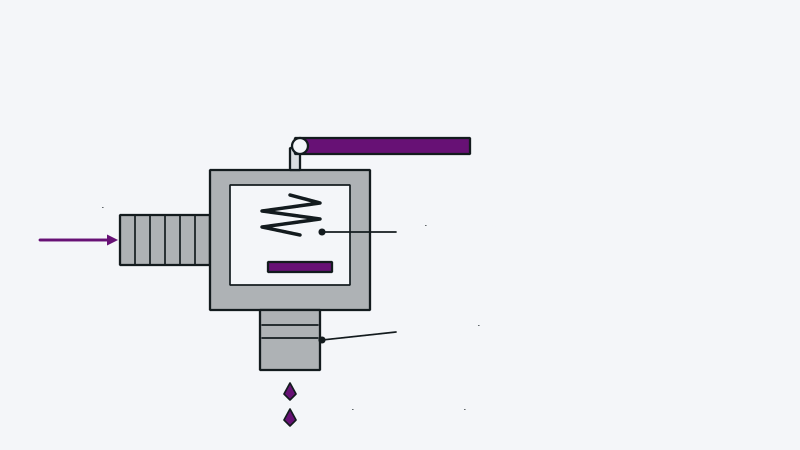
Watch for these:
- Drip from the discharge pipe. It can mean a worn seat, or real overpressure. A plumber should check the incoming pressure and decide whether an expansion tank belongs on the system.
- Mineral crust on the valve. Hard water scale can lock the valve.
- Rust on the body or threads. Corrosion inside the tank fitting means the valve may be seized.
- Hissing or steam. Stop using the heater and shut off the gas or power. The tank may be overheating.
A drip that appears only while the heater is firing often points to thermal expansion in a closed system. In that case a new valve alone does not solve it, and an expansion tank may belong on the system, as our page on expansion tank replacement explains.
Hard water is the usual enemy of these valves. Burbank Water and Power, Glendale Water and Power and LADWP each publish water quality reports, and yours shows how much mineral your supply carries. Hard water also costs a tank years of life, and Bob Vila says it can cut a heater's lifespan by two years or more.
Can I replace a water heater pressure relief valve myself?
The part is cheap, yet the job suits a plumber better. The valve has to match the heater's rating, the tank must be depressurized and partly drained, and the discharge pipe has to go back on correctly. Gas heaters add risk, since working near a vent or burner can cause damage. Gas or electrical work is never a DIY task.
The reasons to hire out:
- Matching the rating. The valve carries a pressure rating and a heat rating stamped on it, and both must suit the heater model. A wrong valve may open too late.
- Draining the tank. Pressure has to be relieved, the supply shut and the water level lowered before the valve comes out.
- The discharge pipe. Correct sizing and a safe endpoint are required, and an old pipe may be corroded or wrongly rerouted.
- Testing after. The plumber looks for leaks, tests pressure, and confirms the new valve seats.
Plumbing work above a small job limit needs a contractor license in California, and a plumber's license can be checked at cslb.ca.gov. When a heater is being replaced, the new valve is part of the installation, and the permit and earthquake strapping belong in the same visit. Section 19211 of the California Health and Safety Code says water heaters must be braced, anchored or strapped against falling or sliding in an earthquake.
How much does water heater pressure relief valve replacement cost?
One published guide prices the part alone at about $20 and a professional replacement at about $200 to $300. The total depends on valve size, how easy the pipe is to reach, whether the tank must be drained, and whether an expansion tank or new discharge pipe is required. The written quote is the figure that counts.
A few things can push the number up:
- A valve that is corroded into the tank fitting and has to be cut out.
- A discharge pipe that runs a long way or needs replacing.
- An expansion tank, which a guide lists at roughly $40 to $350 depending on size.
- Heaters in attics or tight closets, which are harder to reach.
If the heater is over ten years old and the valve is only one of several signs of wear, it may be better value to replace the heater. What replacement involves is laid out under water heater replacement cost, and a related fault, a leak from the drain valve, is covered under drain valve replacement.
To go ahead, fill in the quote request and a tradesperson is booked to visit. A written price arrives before the work. The services on the Lankershim Plumbing home page also include tankless water heaters and full water heater replacement.
Questions people ask
How long is a relief valve swap?
Usually about an hour on a standard tank heater, plus a little more to drain part of the tank, refill it and test. A seized old valve, pipework that needs reworking, or an added expansion tank all mean a longer visit. Most jobs finish in one trip.
What do I raise with the installer of a relief valve?
Find out what pressure and temperature rating the new valve has and whether it suits your heater. Ask if the supply pressure will be checked and if an expansion tank is called for. Insist on a written price, and verify the contractor's license at cslb.ca.gov, the state board site, before the job.
Must an adult be home for the swap?
Yes. A responsible adult should be present to give access and approve the work, since the water, and sometimes the gas, goes off briefly. Make sure the heater and discharge pipe can be reached, and that no one runs hot water while work is under way.
Is it normal for a water heater relief valve to drip?
A small drip at the valve can signal a worn seat or thermal expansion, and neither should be ignored. A constant stream means the valve is failing or the tank is overheating. Never cap the pipe. If the water hisses or steams, switch the heater off and have a plumber out the same day.
How often should a water heater relief valve be replaced?
No single interval applies, and manufacturers differ. Test it as the manual suggests, and replace it if it leaks, sticks or crusts over. Many plumbers fit a fresh one with every heater replacement. Our guide to how often to replace a water heater covers the unit itself.
References
Updated